Football is changing steadily and the rules guiding it are often introduced in order to better the fairness and the overall quality of the game.
One of the newest headlines that is ahead of the 2026 FIFA World Cup is the introduction of the second yellow card amnesty.
This possible change might reshape how suspensions work when it comes to top matches and take out the chances of star players being left out of important matches.
Understanding the Yellow Card System
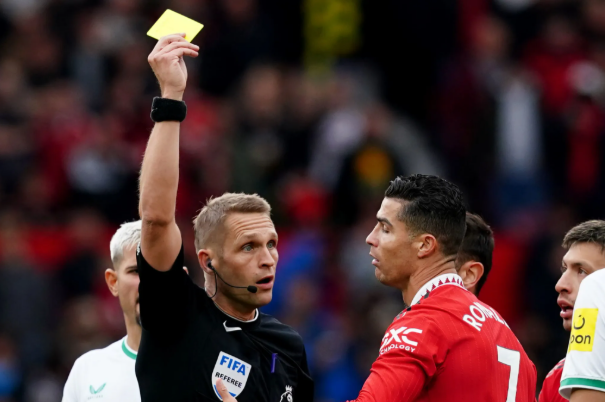
When it comes to football, yellow cards are used to warn players for offenses such as rough tackles, wasting of time or behaviour that goes against the conduct of sports.
While one single yellow card can not cause one to be suspended, adding up several bookings on all of the matches can lead to missing a game.
Normally, players that get to be given two yellow cards in different games before a certain stage, usually the semi-finals are suspended for the next game.
This system has been used for years, but most times it has been talked about for being too strict, mostly in tournaments where there are a lot of matches.
What the New Amnesty Proposal Means
The new rule brings in two new points where yellow cards are cleared which are
- After the group stage
- After the quarter-finals
This means that players that are given a yellow card but are yet to reach the suspension limit will get their records wiped out at the end.
As a result, they will not get to carry earlier bookings into a new round of the tournament.
So, it is best to note that suspensions will still apply if a player gets two yellow cards in the same phase
(for example, two in the group stage or two during the knockout rounds before it gets to the quarter finals).
Why This Change Is Being Taken into Account
The main reason that led to this new rule idea is the spread of the 2026 World Cup format.
With a lot of teams ready to get involved and an added knockout stage, players will get to play in lots of matches than it was before.
Leading to the increased chances of increasing yellow cards, even for fouls that are minor.
Under the current system, this could cause some of the players to miss important games like the semi-finals / finals because of earlier bookings.
FIFA focuses on reducing these risks and making sure that the biggest games feature the best players that are available.
In simple terms, the goal is to make the competition fair enough without having to take out discipline from the game.
The Effects on Players and Teams
There will be effects if this new rule is applied, the second yellow card amnesty could have a way of affecting how the players approach matches.
Players may feel less restrained after getting an early booking, with the idea that it is not going to be of use to follow them throughout the clash. Thereby leading to more bold and natural displays on the football field.
Coaches may also change their patterns. In the last contest, players who were one yellow card away from being suspended often played with carefulness, which some of the times affects how they perform.
With this system being reseted, teams may be more willing to play aggressively any time that it is called for.
To add to these, fans are more likely to see full strength squads in the later stages, which will greatly improve the general fun & competitiveness of the clash.
Possible Problems
While the new rules have its pros but also there are some cons that may raise concerns.
One of the major concerns is that players may want to take more risks, knowing that their yellow cards will be cleared off at a certain point. This could eventually lead to a lot of fouls / intentional bookings.
Another issue is consistency. Some experts argue that reshaping yellow cards may lead to an instability in different stages of the sports event , as earlier offenses may not carry the same impacts as the later ones.
Regardless of these concerns, the rule is still accountable by making sure that repeated bookings in a single stage leads to suspension.
What This Means for the Future of Football
If the rule is given a go ahead and is carried out successfully, it could affect how rule systems are taken as in future clashes more than just the World Cup.
Football officials are always looking for ways to make the fairness better while still being able to control the safety of the game. The second yellow card amnesty is an example of trying to bring that fairness.
It also shows a wider shift when it comes to football, making the game more fun to watch for fans while making sure that rules do not uselessly limit the quality of the real games.
Final Thoughts
The plan for a second yellow card amnesty is a wise attempt to address a long time issue in football clashes. By reducing the chances of players not being in the major matches due to added bookings, FIFA is aiming to improve both fairness & fun.
At the same time, the rule does not entirely erase self control. Players will still face their fate for making a particular offence repeatedly, making sure that the fairness of the game stays the same.
As football will always grow and evolve, changes like this shows the effort to adapt the sport to modern demands while keeping its main rules unchanged.